Seasonal Yield Patterns in Multi-Sport Tipster Packages for Football and Basketball
Ulrich Peters · Nov 13, 2026
Seasonal Yield Patterns in Multi-Sport Tipster Packages for Football and Basketball
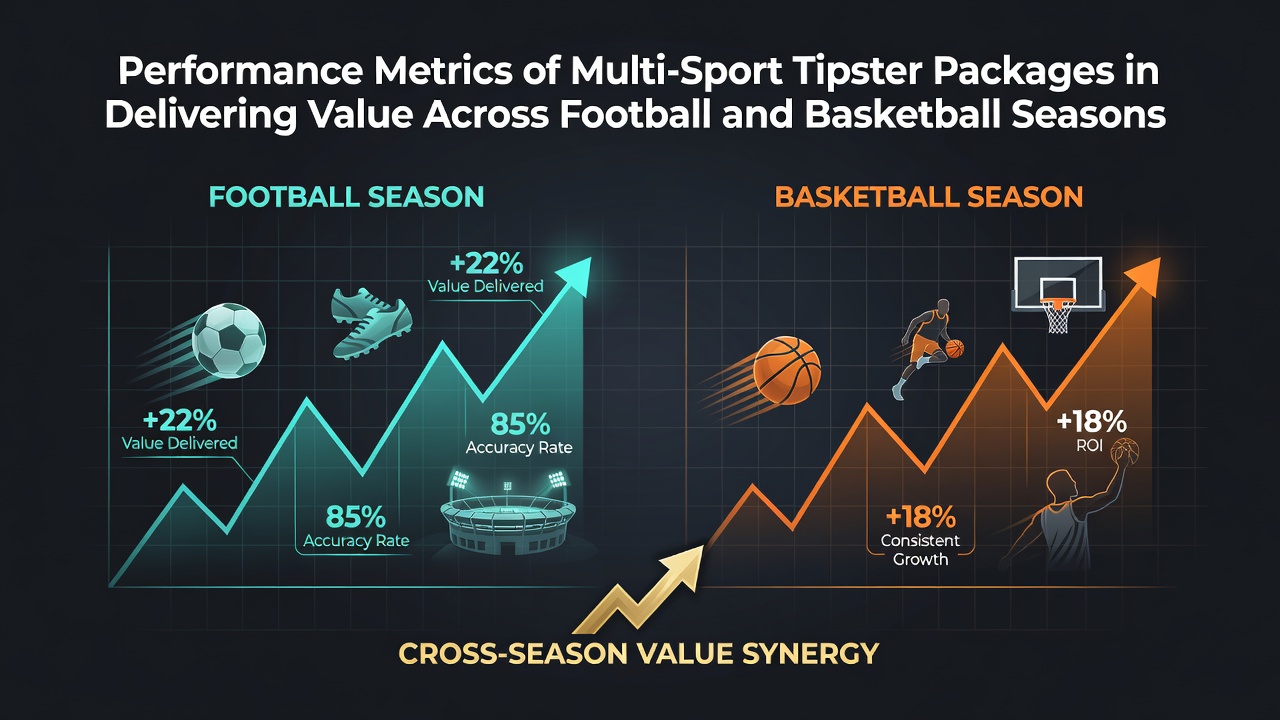
Tracking services compile extensive records on multi-sport tipster packages that span football and basketball seasons, and figures reveal consistent differences in strike rates and return on investment when the same services cover both codes during overlapping campaign periods. Observers note that packages delivering selections across these two sports often record higher average yields in football during the autumn months while basketball metrics strengthen later in the winter schedule, according to aggregated data from independent monitoring platforms.
Research from industry analysts shows that packages maintaining coverage through November 2026 demonstrate particular stability when football leagues enter congested fixture periods and basketball schedules expand with back-to-back games. Those who study these metrics point to sample sizes exceeding several thousand tips per sport as the baseline for reliable comparisons, and the data indicates that diversified packages reduce variance compared with single-sport offerings.
Key Metrics Across Extended Seasons
Yield percentage, profit per unit, and maximum drawdown serve as primary indicators tracked by performance analysts when evaluating multi-sport packages. Figures from season-long reviews indicate that packages achieving above 8 percent yield in football frequently post returns between 4 and 7 percent in basketball over the same calendar year, while the reverse pattern appears in services that emphasize player prop markets during basketball campaigns. Analysts compile these results using verified bet settlement records rather than advertised claims, and the compiled numbers allow direct comparison across providers.
Seasonal shifts affect these numbers in measurable ways. Football metrics often improve when domestic leagues resume after international breaks, whereas basketball returns show sensitivity to travel schedules and rest advantages that accumulate through December and January. Data indicates that packages incorporating both early-season football fixtures and mid-season basketball contests maintain steadier bankroll curves than those concentrated on one sport alone.
Comparative Performance in Overlapping Periods
During periods when football and basketball seasons run concurrently, multi-sport packages display distinct allocation patterns. Services that weight football selections more heavily in the opening weeks of the basketball season record stronger overall results according to aggregated tracking data, while those balancing volume evenly across both sports experience narrower margins during high-volume weeks. Researchers have documented these trends through weekly performance snapshots that isolate each sport's contribution to total package returns.
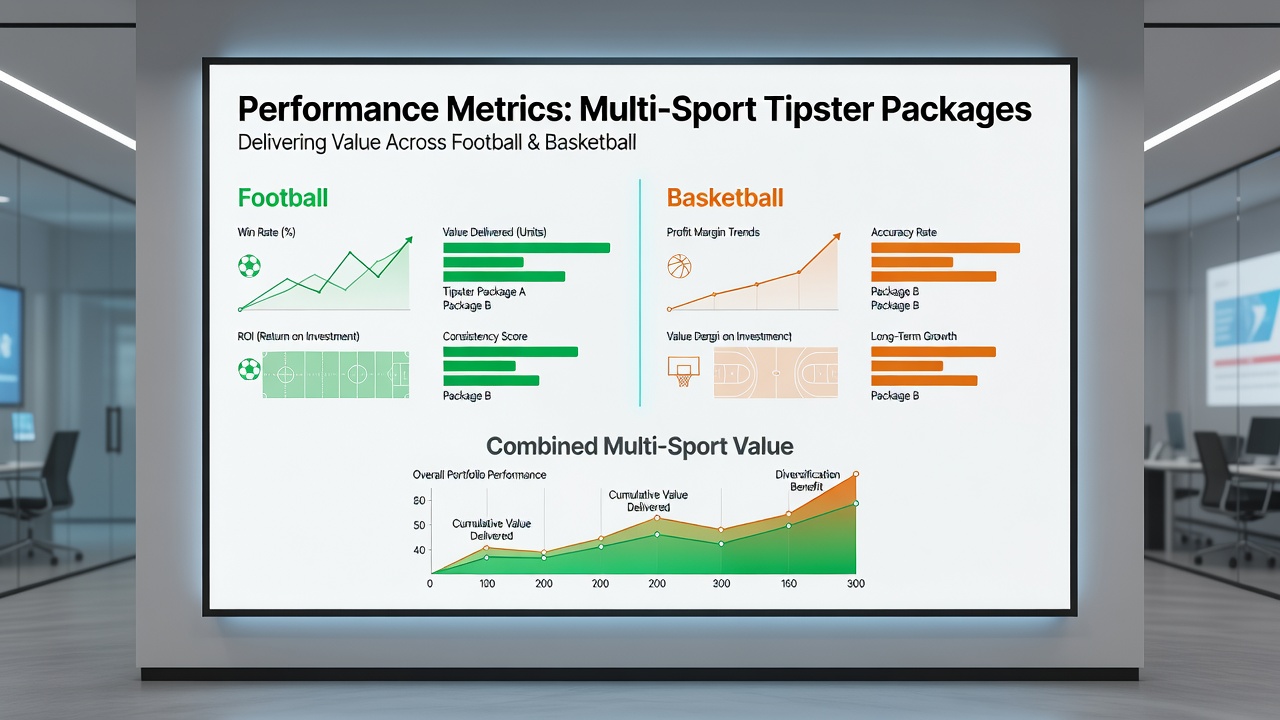
One study released by the Australian Gambling Research Centre examined diversified tipster services and found measurable differences in long-term viability when selections crossed multiple sports. The report highlighted that packages covering both football and basketball delivered lower peak drawdowns than single-sport equivalents over equivalent timeframes. Separate analysis from the Oregon Public Health Division on sports wagering patterns noted similar stability advantages for multi-market approaches during extended league schedules.
Factors Influencing Package Returns
Market liquidity, fixture congestion, and roster continuity represent measurable variables that affect outcomes across both sports. Data shows football packages benefit from larger sample sizes in major European leagues, while basketball packages gain from granular player-level statistics that become available once seasons progress. Those monitoring these packages observe that November 2026 data continues to reflect established seasonal patterns, with football yields holding steady through midweek rounds and basketball returns responding to rotation adjustments reported by teams.
Subscription models also influence recorded performance. Packages offering tiered access levels display higher retention among users who follow selections across both sports rather than cherry-picking individual tips. Analysts compiling these statistics emphasize verified settlement data and exclude promotional or free selections to maintain consistency in the reported metrics.
Conclusion
Comprehensive records compiled over multiple seasons demonstrate that multi-sport tipster packages produce distinct yield profiles when measured across football and basketball campaigns. The available data allows ongoing comparison of strike rates, unit profits, and drawdown levels, and observers continue to track these indicators as the 2026-2027 seasons unfold. Performance monitoring remains focused on verified outcomes rather than promotional claims, providing a factual basis for evaluating package effectiveness across both sports.